
Stanwix School
Online Safety
At Stanwix School, we are committed to helping children use technology safely, responsibly and confidently. The internet, mobile devices and online services provide fantastic opportunities for learning, creativity and communication, but they can also present risks if used without care.
Online safety is an important part of our safeguarding responsibilities. We teach children how to stay safe online through our Computing curriculum, wider curriculum opportunities, assemblies and regular classroom discussions. We encourage all pupils to speak to a trusted adult if they ever see, hear or experience something online that makes them feel worried or uncomfortable.
Our subject lead for Computing and ICT is Miss McVittie.

School Technology
When using school devices and accessing the internet through our network, pupils benefit from a range of filtering and monitoring systems that help to keep them safe online. In line with Keeping Children Safe in Education (KCSIE), our filtering systems are designed to prevent access to inappropriate, harmful or illegal content, while our monitoring systems identify and alert staff to potential safeguarding concerns, helping us respond quickly where support may be needed. These measures form part of our wider safeguarding approach and are regularly reviewed to ensure they remain effective and age-appropriate.
All pupils are also expected to use technology responsibly and are required to agree to and follow our Acceptable Use Policy before accessing the internet or using school digital devices. This helps children understand their responsibilities, develop safe online behaviours and make positive choices when using technology both in and beyond school.
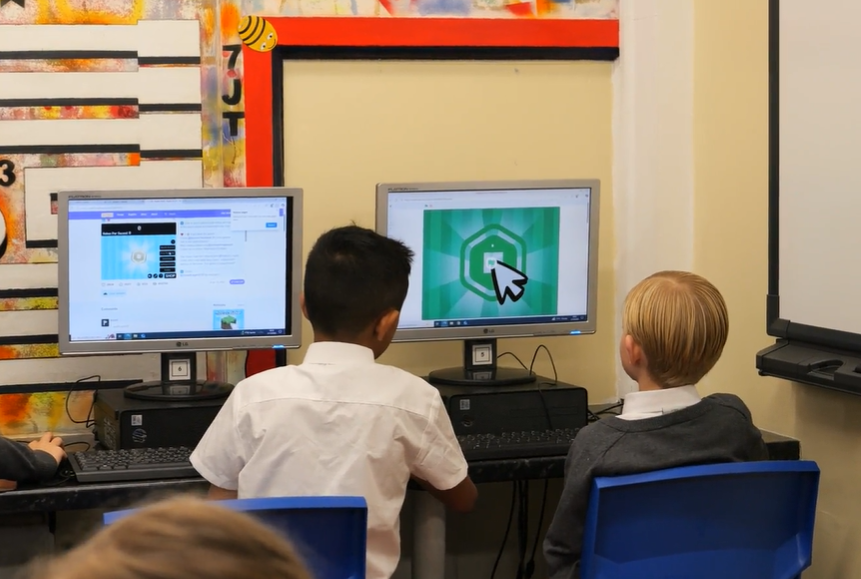
Technology Children Use Today
Children access the internet in many different ways, including:
- Smartphones and mobile phones
- Tablets and iPads
- Laptops and computers
- Smart TVs
- Games consoles such as Xbox, PlayStation and Nintendo Switch
- Smart watches
- Voice assistants and smart speakers
- Online gaming platforms
- Social media apps
- Messaging and video chat services
Many of these devices allow communication with others, access to online content and sharing of photographs, videos and personal information. It is therefore important that children understand how to use them safely and that parents remain actively involved in their online lives.
Advice for Children
Remember:
- Keep personal information private.
- Never share passwords with friends.
- Only communicate online with people you know and trust.
- Think carefully before posting photos, videos or comments.
- Never arrange to meet someone you have only met online.
- Tell a trusted adult if anything online worries, upsets or scares you.
- Remember that not everyone online is who they say they are.
- Be kind and respectful to others online.
Advice for Parents and Carers
Technology changes quickly, but the most effective online safety tool is still regular conversation between adults and children.
We recommend that parents and carers:
- Talk regularly about online experiences and digital behaviour.
- Know which apps, games and websites their children use.
- Check age ratings before allowing access to apps, games or social media platforms.
- Use parental controls where appropriate.
- Keep devices up to date and secure.
- Encourage children to come to you if something goes wrong online.
- Review privacy settings regularly.
- Supervise younger children when using internet-enabled devices.
- Help children understand that information shared online can be copied and shared with others.
Social Media
Many social media platforms have a minimum age requirement of 13 years old or above. Parents should carefully consider whether children are ready to access such platforms and regularly monitor their use.
Potential risks can include:
- Contact from strangers
- Exposure to inappropriate content
- Cyberbullying
- Privacy concerns
- Scams and fraudulent activity
- Pressure to share images or personal information
- Exposure to misinformation
If your child uses social media, we strongly recommend reviewing privacy settings together and discussing safe and responsible online behaviour.
Report a Concern
If you are worried about online exploitation, grooming or inappropriate online behaviour involving a child, you can report it directly to CEOP:
CEOP Reporting Centre: https://www.ceop.police.uk/ceop-reporting/
If your child is worried about something they have seen or experienced online, please contact us and we can provide support.
Useful Online Safety Resources
For Children
Thinkuknow is the online safety education programme from CEOP and the National Crime Agency.
Thinkuknow (Ages 5-7)
https://www.thinkuknow.co.uk/5_7/
Thinkuknow (Ages 8-10)
https://www.thinkuknow.co.uk/8_10/
Thinkuknow (Ages 11-13)
https://www.thinkuknow.co.uk/11_13/
For Parents and Carers
Internet Matters
https://www.internetmatters.org
Guidance on apps, games, parental controls and digital wellbeing.
NSPCC Online Safety
https://www.nspcc.org.uk/keeping-children-safe/online-safety/
Advice and support to help keep children safe online.
UK Safer Internet Centre
https://saferinternet.org.uk
Online safety advice, resources and guidance for families.
UK Safer Internet Centre Social Media Guides
https://saferinternet.org.uk/guide-and-resource/social-media-guides
Up-to-date information on social media platforms, privacy settings and online trends.
National Cyber Security Centre (NCSC)
https://www.ncsc.gov.uk/section/information-for/parents-and-carers
Practical advice for keeping children and families secure online.
Cyber Aware
https://www.ncsc.gov.uk/cyberaware/home
Simple steps to improve online security at home.
Virgin Media O2 Children's Online Safety Test
https://www.virginmedia.com/blog/online-safety/childrens-internet-safety-test/
A useful online quiz and resource to help families discuss online safety together.
Working Together
Online safety works best when school and home work together. By maintaining open conversations, setting clear expectations and making use of trusted resources, we can help children enjoy the benefits of technology while developing the skills and confidence to stay safe online.